Physical Therapy
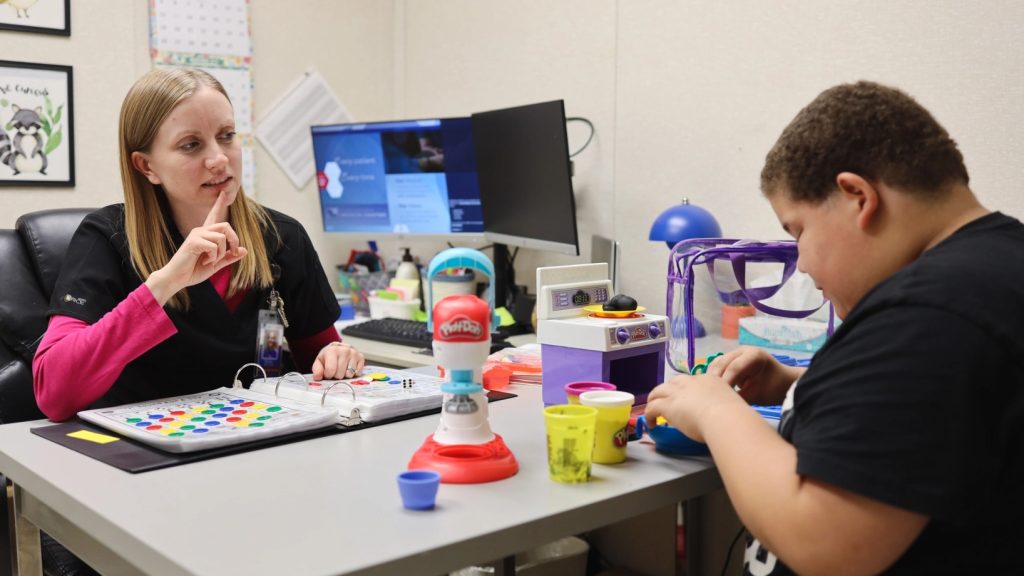
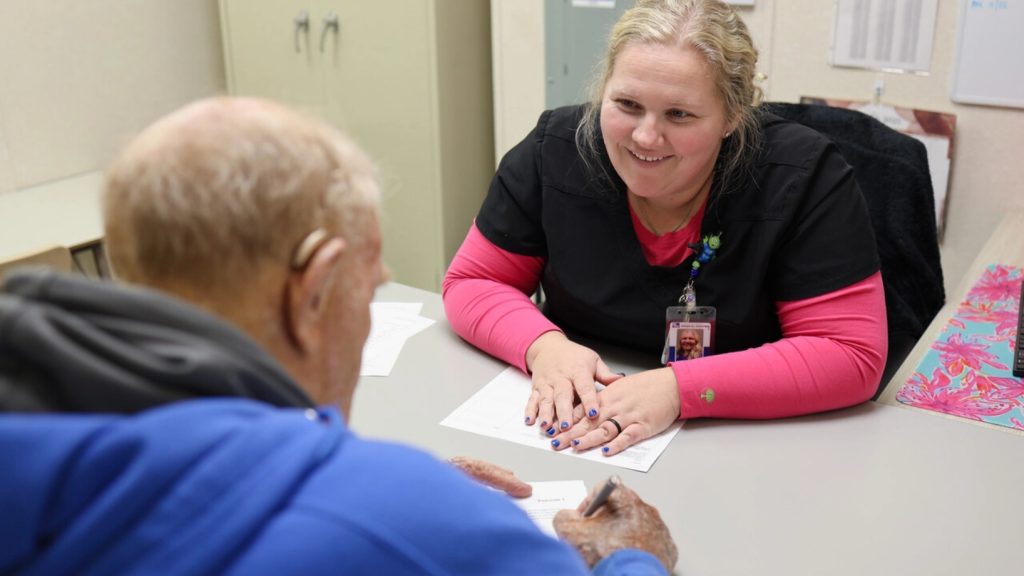
Our Physical Therapy staff has more than 100 years of combined experience and is committed to getting you back on the road to recovery. As a staple in our community for more than 50 years, FCMC Physical Therapy Services takes great pride in providing effective, results-oriented, evidence-based Physical Therapy services for our clients.
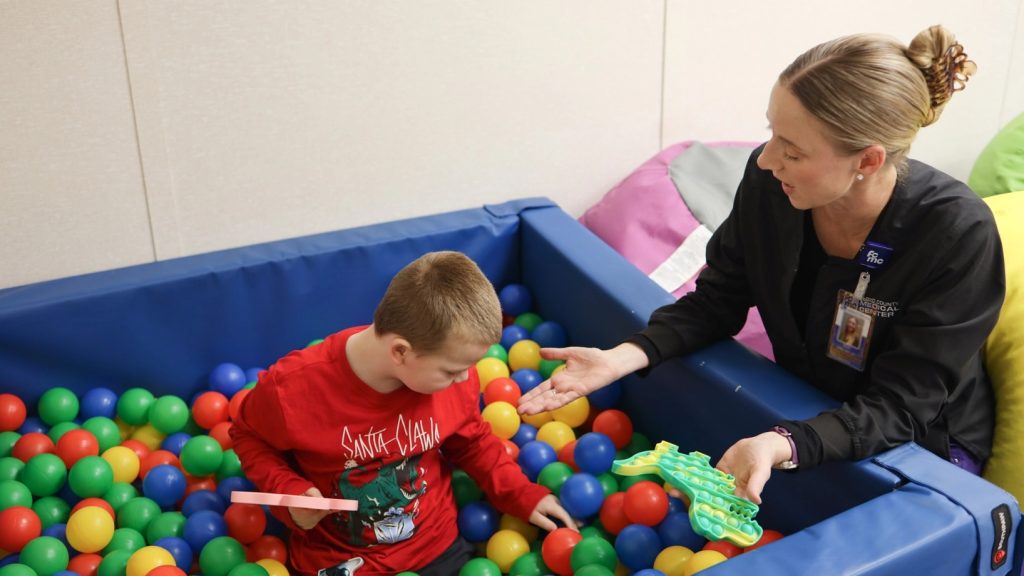
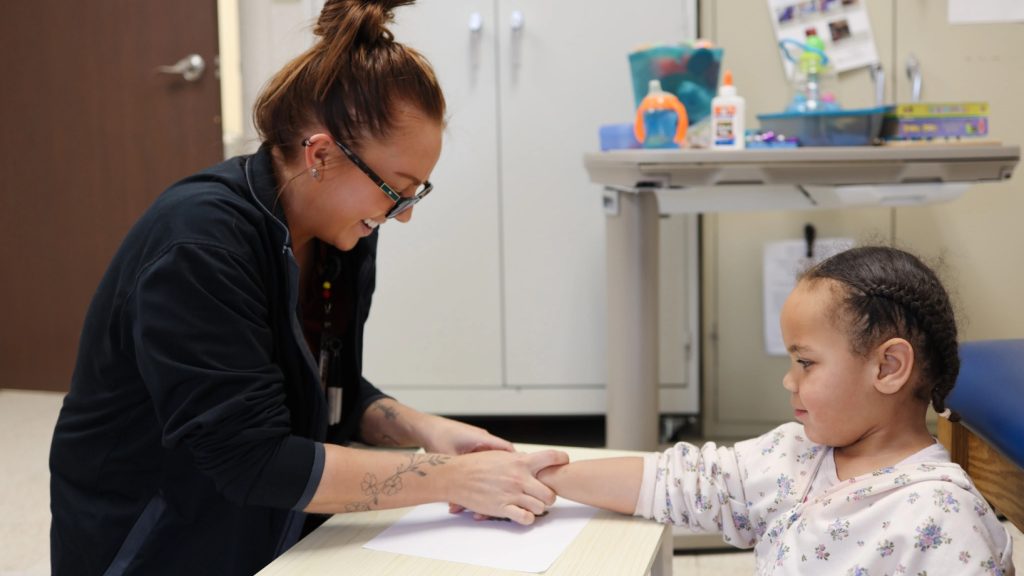
We offer comprehensive rehabilitation programs for people of all ages with varied problems. By offering an assortment of treatment options, FCMC Physical Therapy Services has the ability to successfully treat most Physical Therapy-related conditions from the geriatric patient to the top performing athlete. We create a tailored plan for each patient designed to improve motion, reduce pain and swelling, increase strength and endurance, restore function, and prevent re-injury.
We work closely with all area physicians but also regularly receive referrals from providers in Mason City, Waterloo/Cedar Falls, Rochester, LaCrosse, Iowa City, Des Moines, Cedar Rapids, and other large medical facilities.
Our therapists communicate regularly with your physician to keep him/her up to date on your plan of treatment and level of progress.
PHYSICAL THERAPY SERVICES
At FCMC, we offer the following Physical Therapy services:
- Orthopedic Problems, all types.
- Balance & Vestibular Disorders
- Sports Injury Rehab
- Work Injury Rehab
- Neurologic Rehab
- Joint Replacement Rehab
- All Post Surgical Rehab including post trauma
- Acute Hospital Inpatient rehab
PROBLEM TYPES
- Shoulder Conditions - Rotator Cuff, Impingement Syndrome, Bursitis, Tendinitis
- Back & Neck Pain - Spinal Stenosis, Arthritis, Disc Problems, Whiplash, Headache, Muscle Spasm
- Leg & Foot Conditions - Sprains, Strains, Bursitis, Tendinitis, Fractures, Plantar Fasciitis
- Arm Conditions - Carpal Tunnel Syndrome, Tennis Elbow, Fractures
- Post Surgical Rehabilitation
- Fracture or Trauma
- Muscle Strains, Repetitive use injuries
- Neurological - Parkinson’s, Multiple Sclerosis, Stroke, Polyneuropath
- Generalized weakness due to chronic health issues
CLINICAL INTERNSHIP AFFILIATIONS
FCMC offers a Wellness Program to all patients who have completed a formal physical therapy course of treatment or cardiac rehab program in our facility. This Wellness Program is designed for those clients who wish to continue their prescribed exercise program in an environment they are familiar with. Clients are allowed use of therapy space and equipment at designated times, three days a week, Monday through Friday. All participants are initially instructed in the proper use of the equipment and then continue on their own at their own pace. FCMC staff is usually available for questions, if needed, but do not provide formal supervision.
The Wellness Program is not covered by insurance or Medicare. All participants will be responsible for making the required monthly cash payments.
INPATIENT SERVICES
FCMC’s Physical Therapy team provides therapy services to the inpatients of Floyd County Medical Center. Our therapy staff works with the local physicians and other hospital professionals to ensure your rehab goals are met in a timely manner.
Each inpatient room is private, spacious, comfortable, modern, and has its own bathroom and shower.
EMG/Nerve Conduction
What is Electromyography? Electromyography, sometimes referred to as EMG or Nerve Conduction Testing, is an examination that aids your doctor in the recognition, classification, and treatment of certain conditions associated with the muscles and nerves such as: carpal tunnel syndrome, cervical radiculopathy, lumbar radiculopathy, polyneuropathy, ALS, and many others. The typical electromyographic examination consists of two testing procedures: nerve conduction examination (NCS), and needle examination (EMG). Most EMG examinations take an average of 1-2 hours.
Provider: Bret Kruthoff, DPT, ECS
NERVE CONDUCTION EXAMINATION
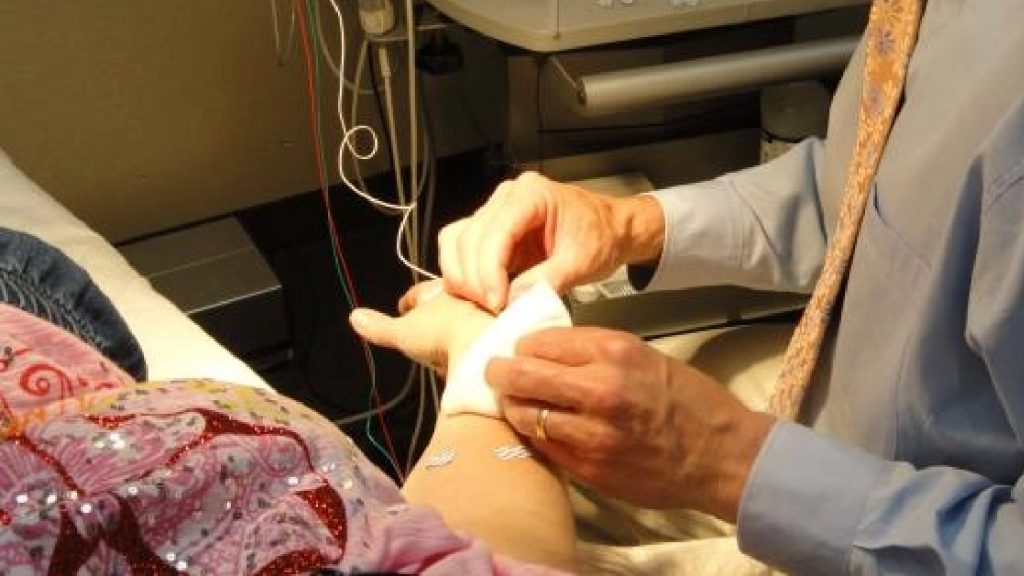
An NCS is a test that measures the ability of a specific nerve to conduct an electrical signal. The NCS test is performed by placing small electrodes on the surface of the skin over a specific muscle or nerve. Then, using a nerve stimulator, the nerve is stimulated with a small electrical charge; this charge produces an electrical sensation which is not usually painful. Most people report that it feels similar to the static electrical shock you may get from walking across the carpet. As the nerve is stimulated it conducts an impulse from which various measurements are taken at the recording sites.
ELECTROMOGRAPHIC NEEDLE EXAMINATION
An EMG is a test that measures the naturally occurring signals your body uses when the nerve communicates with the muscle. This test is performed by inserting a very fine needle (similar in size to an acupuncture needle) just under the skin into a muscle. The needle is moved very slightly within the muscle while it is “at rest” and various measurements are taken. The patient is then asked to gently move the muscle and measurements are taken as it “work”. No external electricity is used. There may be some discomfort with the insertion of the needle. One or more muscles may be tested in this manner.
The muscle may be slightly sore for a day or two after these exams and occasional bruising occurs. There is very minimal risk of infection from this exam.
HOW TO PREPARE FOR YOUR TEST
- Please bathe or shower on the day of your appointment. This helps to remove your body’s natural oils and makes the test easier for you and the examiner.
- Do not apply oils or lotions to your skin the day or your test. This can interfere with the recording of the neural signals and make testing more difficult for you and the examiner.
- Do not wear tight fitting clothes.
- If you are having testing on your hands, wrists, or arms, please wear a loose top that will allow the sleeve to be pulled up to the top of your arm. If you forget we will have a gown for your convenience.
- Please let us know in advance if you have any bleeding problems, take blood thinning medications (including aspirin), or are having any lab tests or biopsies being done in the near future.
- Take your routine medications, unless advised not to.
AFTER THE EXAMINATION
After the exam you can resume your normal activities as tolerated. A report of the examination will be sent to the practitioner who ordered the exam and they will discuss the results with you.
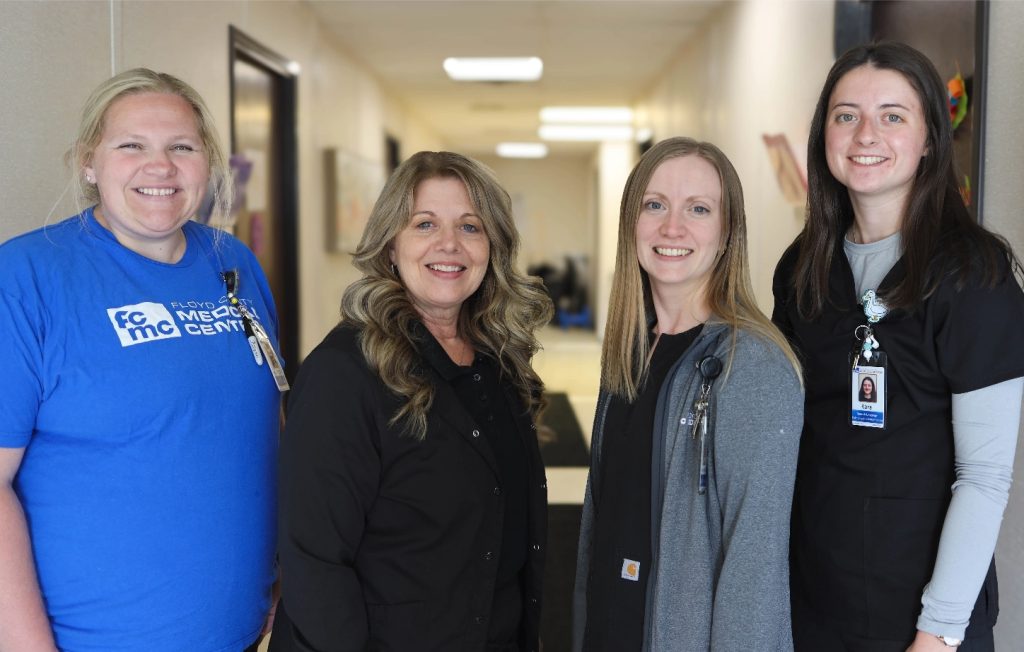
Our Staff
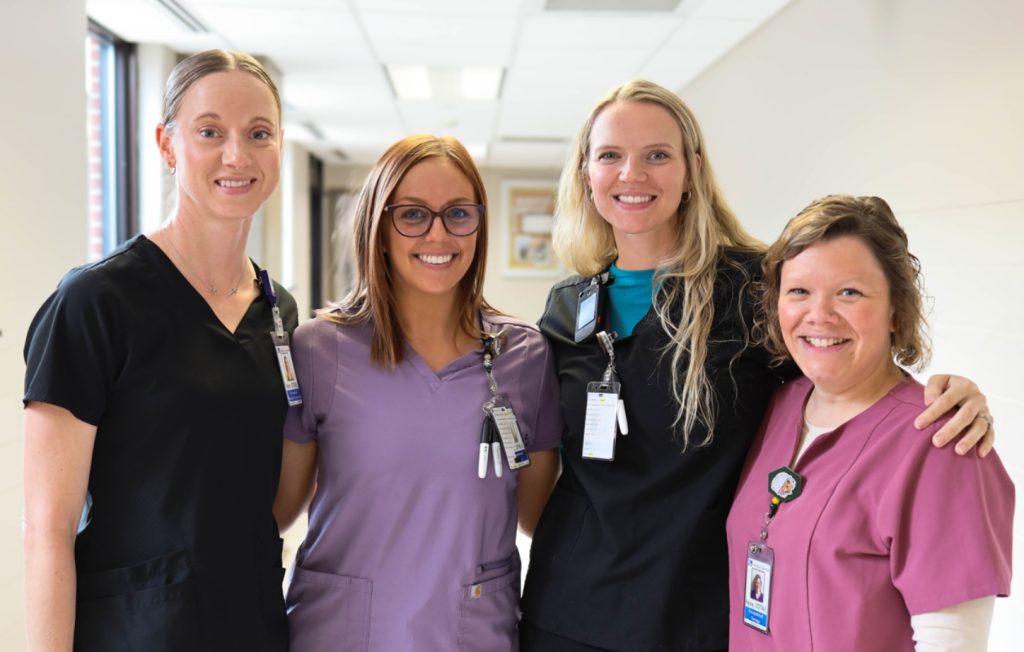
Our Physical Therapy staff has more than 100 years of combined experience and is committed to getting you back on the road to recovery.
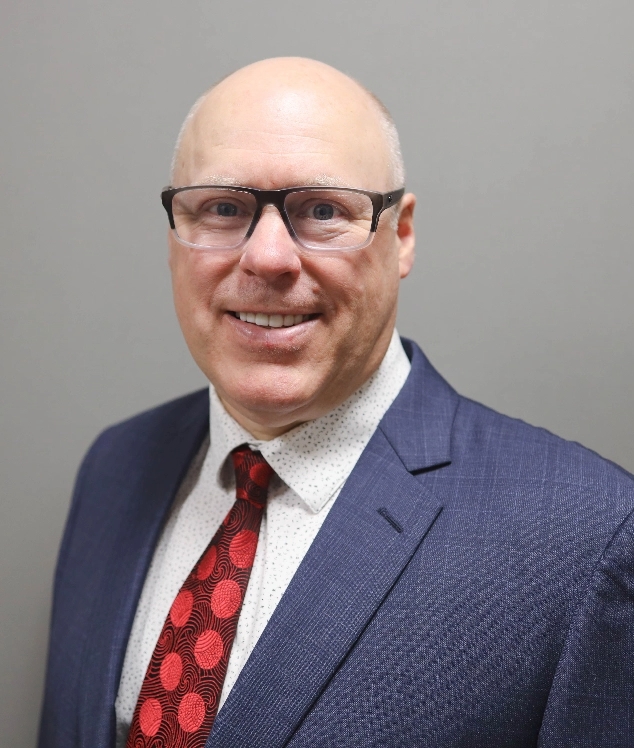
Troy Loeckle, PT, DPT, RVT, RCP

Amanda Rausch, PT, DPT
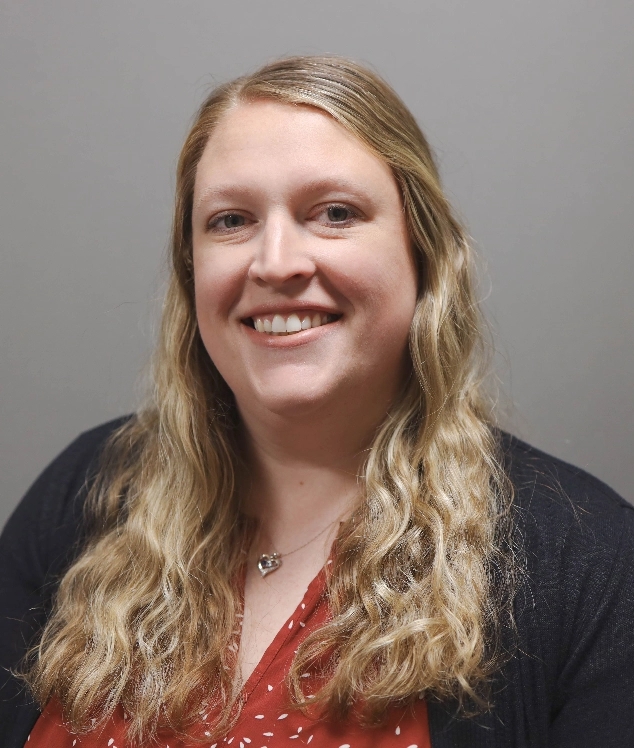
Kayla Hubbard, PT, DPT, CLT
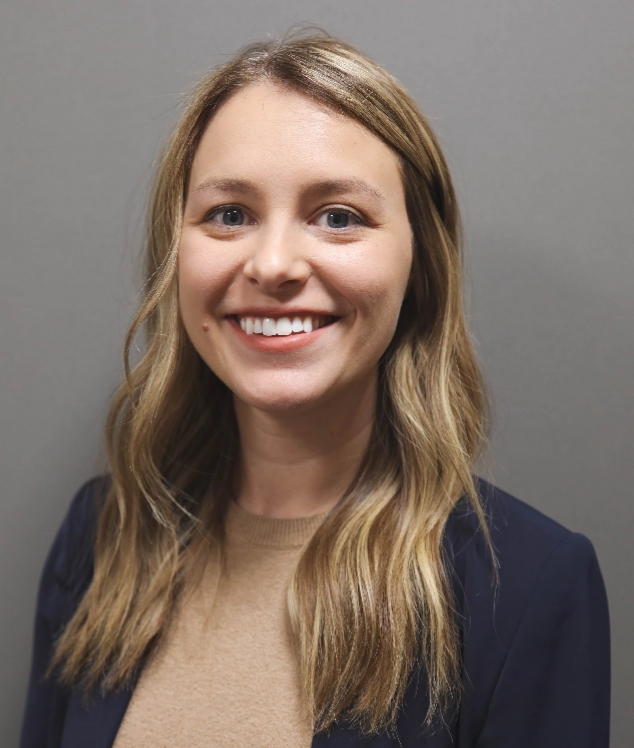
Gillian Swartzrock, PT, DPT, NCS
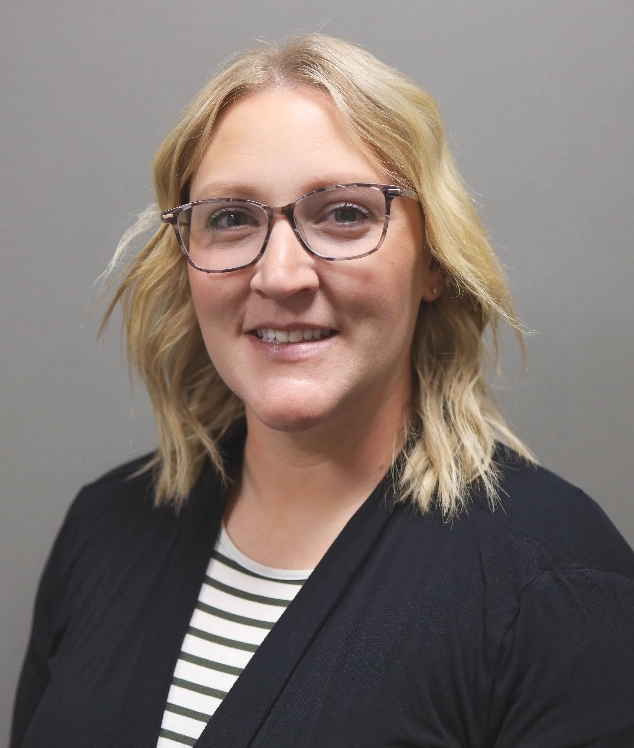
Emily Knecht, PTA
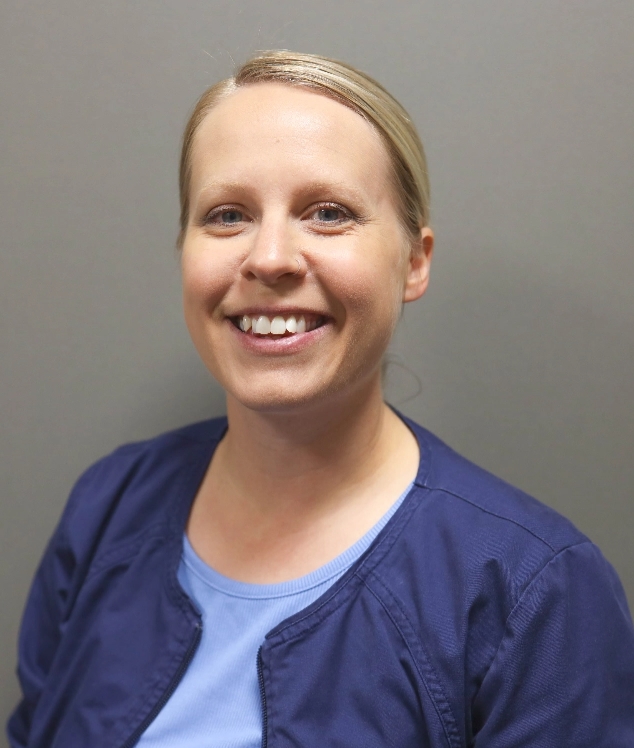
Ashley Lawson, PTA
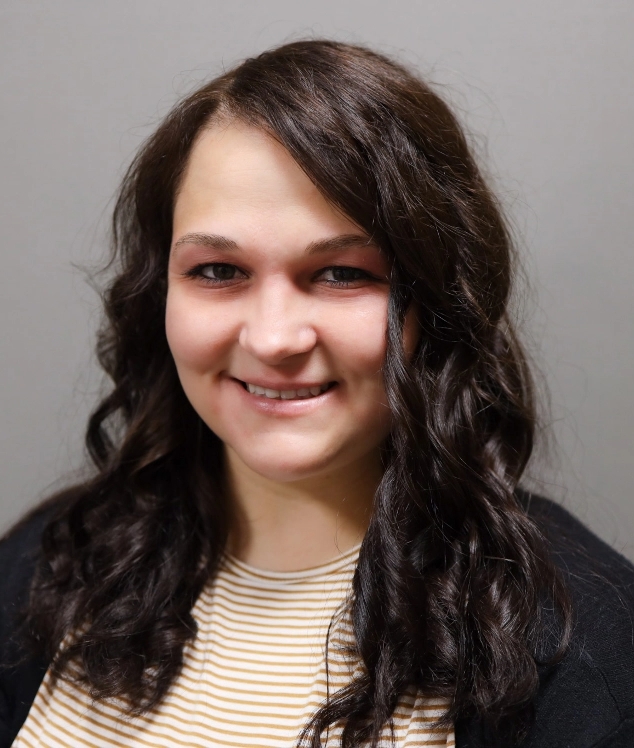
Kayla Marks, PTA
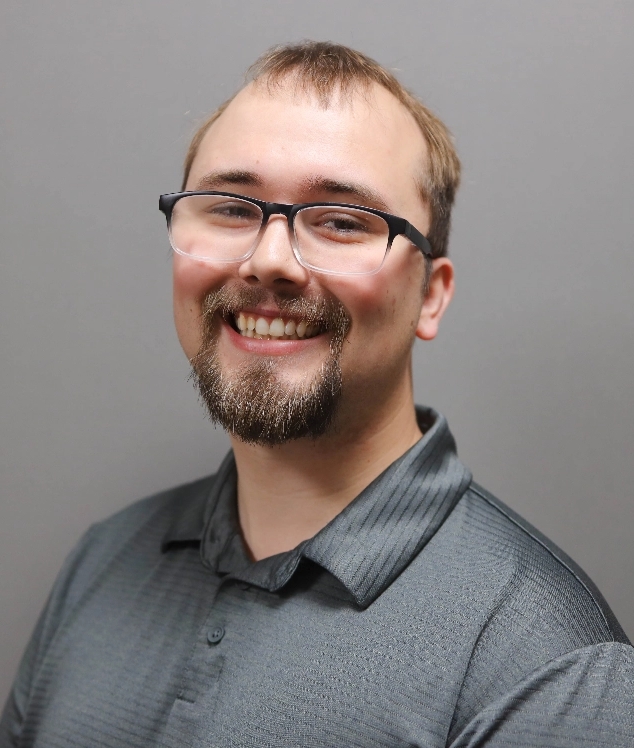
Sebastian Beck, PTA
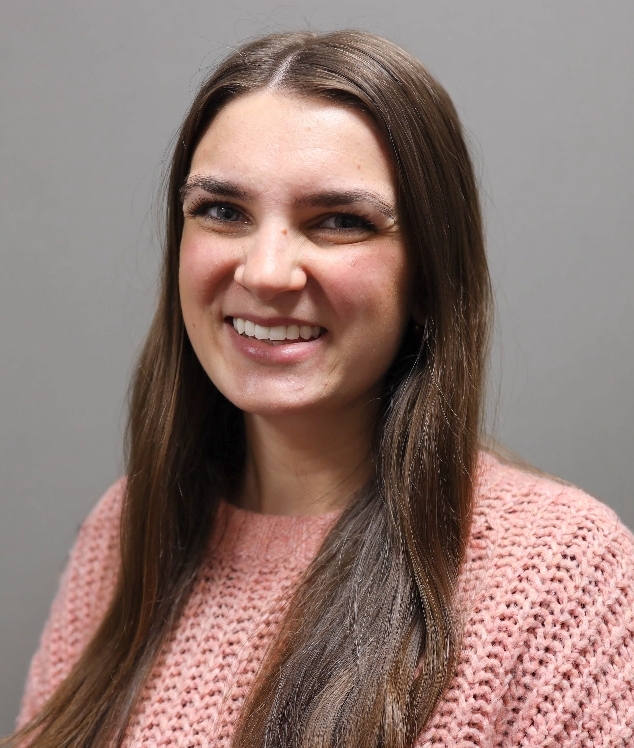
Sophie Kadera, PTA
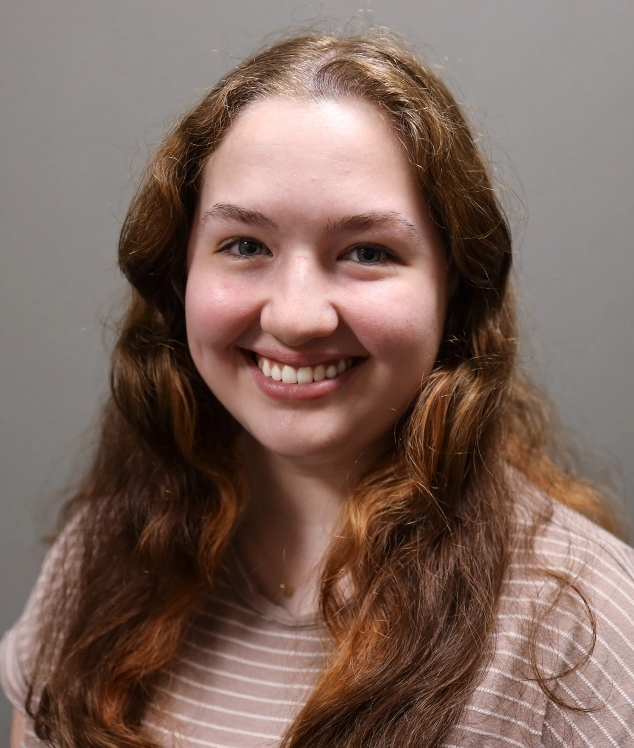
Bethany Swanson, PTA